
Somatic Stress Relief & Whole-Being Wellness
A perception-based, embodied approach to nervous system regulation and emotional coherence.
Stress is commonly misunderstood as an unavoidable byproduct of external events—workloads, relationship dynamics, or sudden changes. Yet, many individuals notice that their internal tension persists even when their external circumstances improve. This reveals an essential, foundational truth: stress is not created by external conditions, but by how those events are sub-consciously interpreted, processed, and held within the body and mind.
True relaxation is not the passive absence of activity. It is an actively learned state of mind-body coherence where your nervous system is no longer locked in a defensive loop.
-
Sometimes our bodies get stuck. We hold onto tension because our nervous system doesn't know it's safe to let go. In this video, I’m sharing a simple, physical practice to help you discharge that energy. Expressing the opposite of what you’re feeling—even if it feels fake at first—is a powerful way to tell your body that the danger has passed. A reset for the nervous system. A path back to your own stillness.
Why Stress Persists Even When Life Improves
Stress continues not because life is inherently stressful, but because the internal pattern that interprets experience has not yet changed. Two people can encounter the same situation and experience completely different levels of stress. The difference is not willpower. It is perception.
Perception determines:
what the nervous system anticipates
how the body prepares
which emotions activate
how the mind interprets meaning
When perception shifts, the entire stress pattern shifts with it.
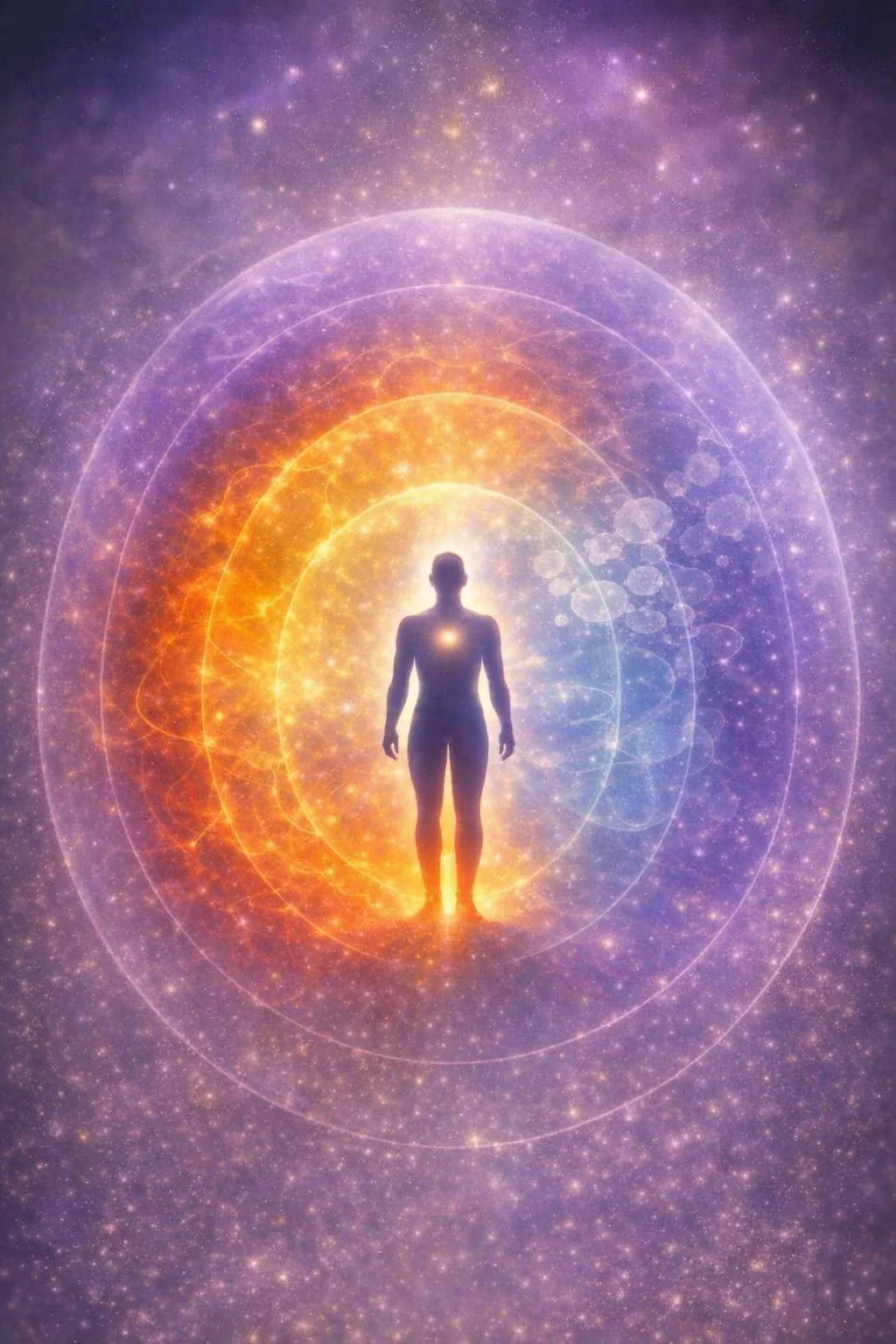
The Four Layers of Chronic Stress
Stress operates as a deeply ingrained, automatic pattern across four distinct layers of your personal ecosystem:
The Physical Layer: Autonomic nervous system activation, elevated heart rate, and muscular contraction.
The Emotional Layer: Reactive feelings shaped by past conditioning and unexpressed tension.
The Mental Layer: Restless cognitive loops, rigid interpretations, and anxious future projections.
The Energetic Layer: Subtle subtle-energy imbalances that dictate how stress is somatically held in the body.
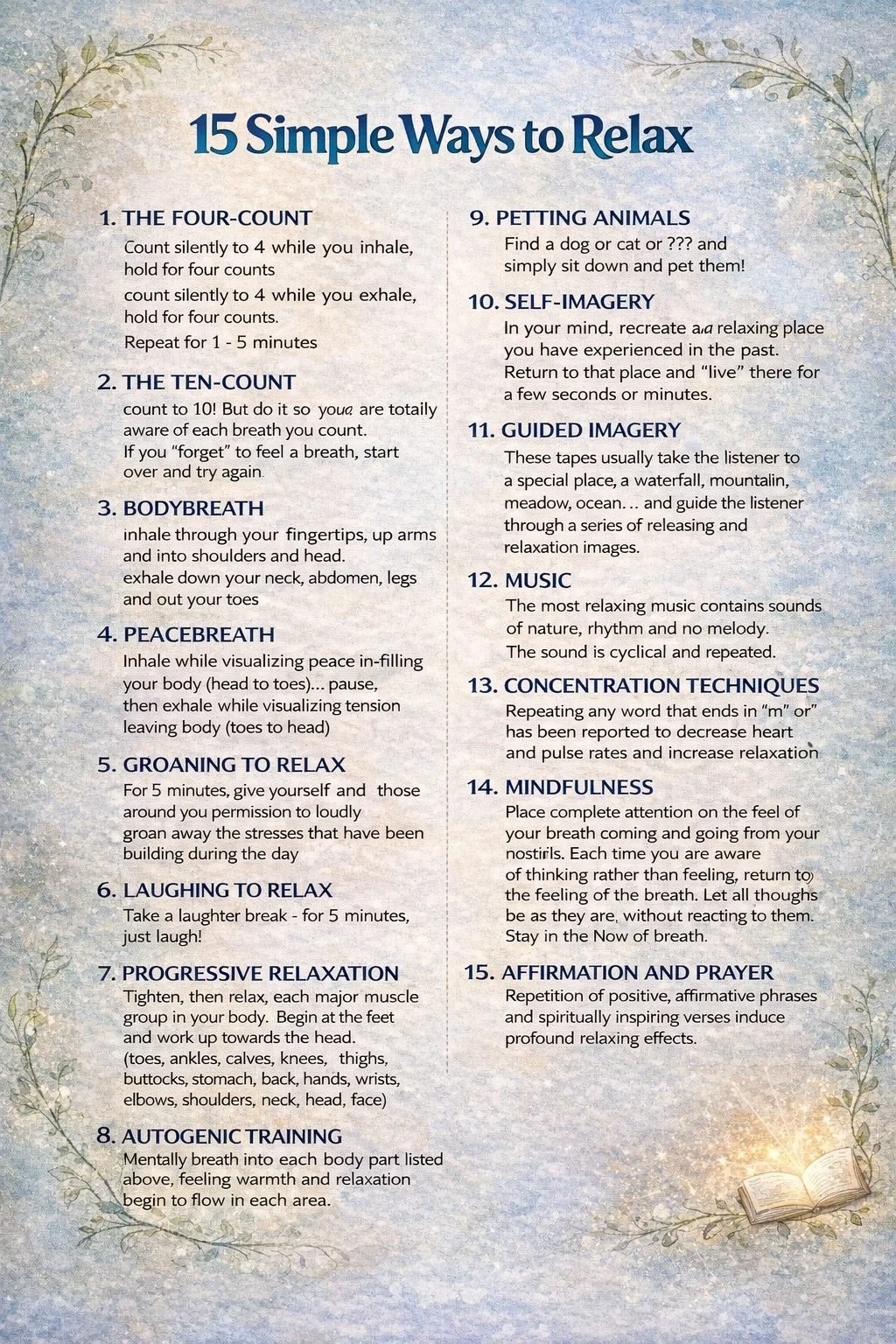
When these four layers collapse into a defensive posture, the system generates chronic overwhelm. When they are brought into alignment, the system drops its guard and enters a state of natural coherence. Drawn from adult learning principles and decades of clinical practice, the 15 grounding techniques below offer a practical roadmap to shift your body from constant survival mode into lived wellness.
Relaxation as a Learned State of Coherence
Relaxation is often misunderstood as “doing nothing.” In practice, relaxation is a coherent state in which:
the breath deepens
the nervous system shifts out of defense
the muscles release unnecessary tension
the mind becomes clearer
emotions settle
energy flows more freely
This state can be learned through simple, accessible practices that help the system reorganize itself naturally.
The Role of Perception in Stress and Change
Perception is the pivot point. It determines whether the system moves toward stress or toward relaxation. When perception interprets an event as threatening, overwhelming, or out of control, the stress pattern activates. When perception interprets an event as manageable, meaningful, or neutral, the relaxation pattern becomes available.
Changing perception does not mean denying difficulty. It means seeing clearly, without the automatic filters of past conditioning. When perception shifts, stress softens—not through effort, but through insight.
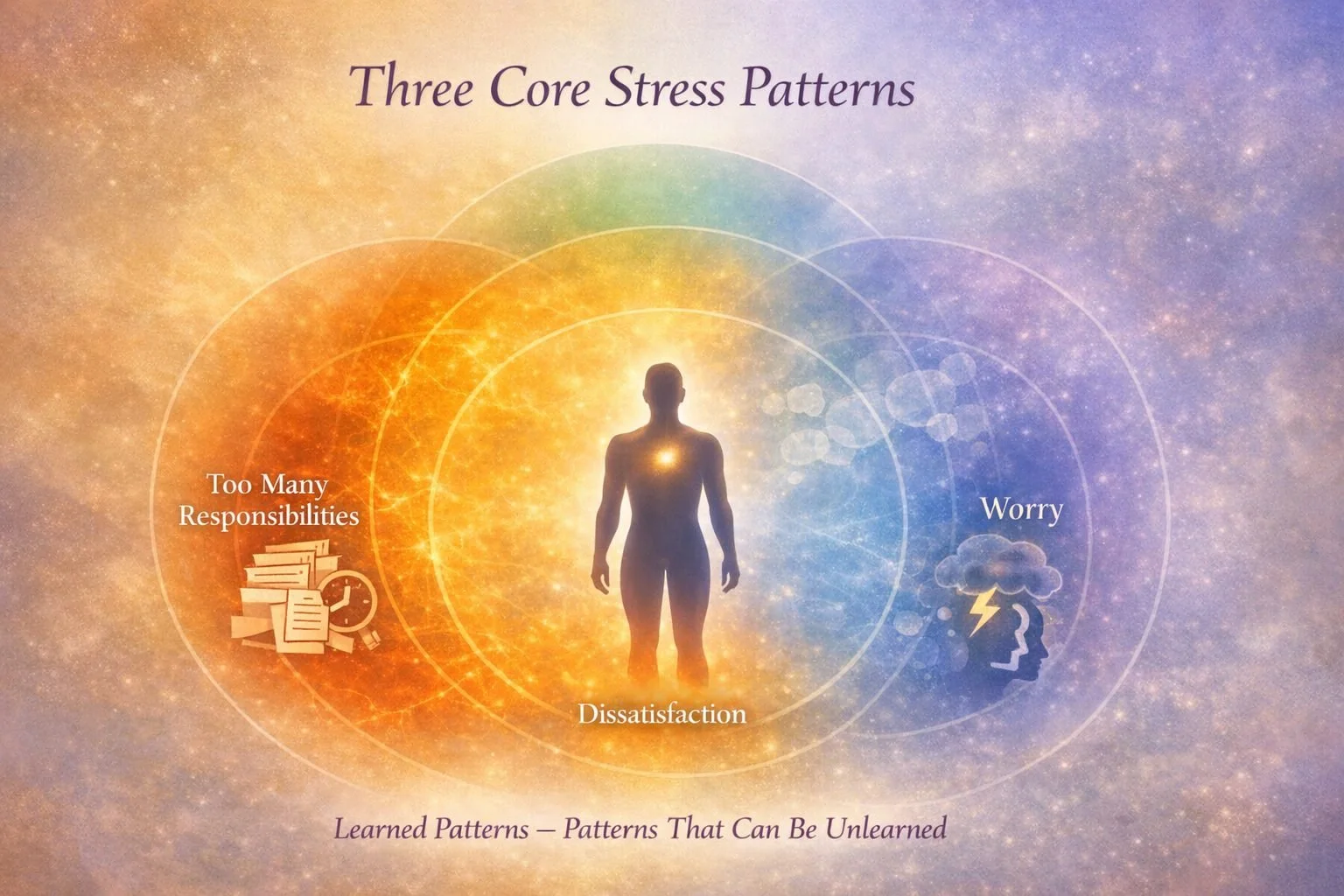
Three Core Stress Patterns
Most stress arises from one of three perceptual patterns. Recognizing your dominant pattern helps you understand how stress forms in your system.
1. Stress from Too Many Responsibilities
This pattern appears when life feels overfull, fast‑moving, or demanding. Signs include:
not enough time to complete tasks
confusion or overwhelm when too much happens at once
skipping meals or rest to keep up
feeling pressure to manage everything
2. Stress from Dissatisfaction
This pattern arises when expectations and reality do not match. Signs include:
irritation when plans change
frustration when others move slowly
anxiety when things don’t flow smoothly
difficulty accepting interruptions
3. Stress from Worry
This pattern is rooted in anticipation and fear. Signs include:
imagining worst‑case scenarios
replaying past events
difficulty stopping mental loops
physical tension such as a pounding heart or tight muscles
Each pattern is learned. Each pattern can be unlearned.
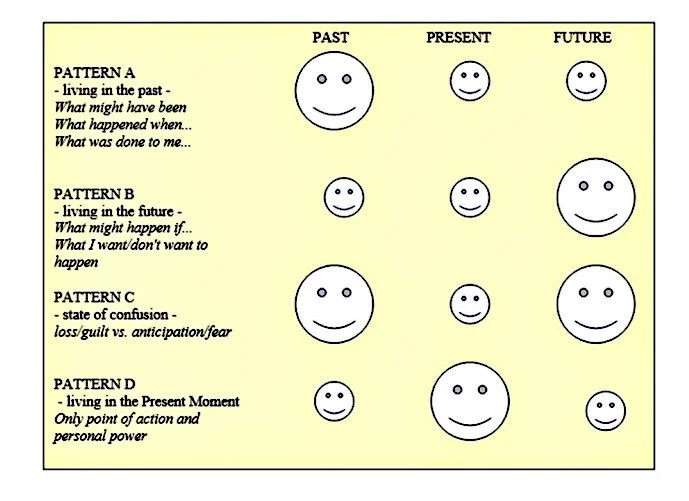
Four Thought Patterns That Shape Stress
Thought patterns influence how perception forms. Most people move between four predictable modes:
Pattern A: Living in the Past
Replaying conversations, revisiting regrets, or thinking about what “should have” happened.
Pattern B: Living in the Future
Anticipating outcomes, imagining what might happen, or preparing for what could go wrong.
Pattern C: Living in Confusion
Oscillating between past and future, with little presence in the moment.
Pattern D: Living in the Present Moment
The only point of personal power. The only place where perception can shift.
Stress arises when the mind is caught in A, B, or C. Relaxation becomes available in D.
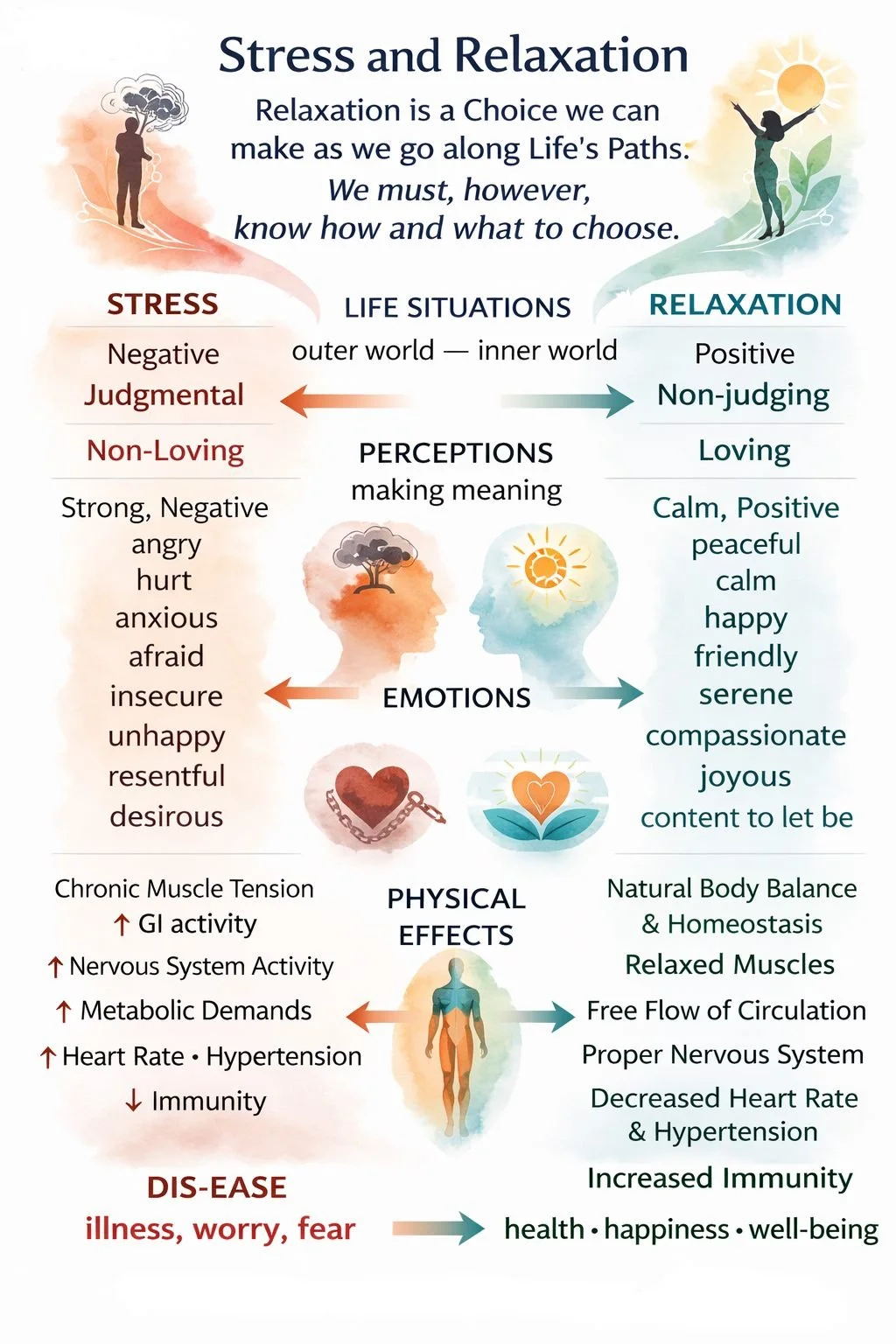
The Choice Point: Stress or Relaxation
Life events occur. Perception interprets them. That interpretation generates emotion. Emotion generates physical effects. This sequence happens quickly, often automatically.
But there is always a choice point.
Once strong emotions develop, physical effects follow:
muscle tension
digestive changes
increased heart rate
heightened nervous system activity
decreased immunity
Positive emotions generate the opposite:
relaxed muscles
balanced circulation
steady heart rhythm
improved immunity
natural homeostasis
Relaxation is not passive. It is an active choice to shift perception toward clarity, compassion, and presence.
Integrated, Experiential Stress Reduction
Information alone rarely changes stress patterns. Lasting change occurs when understanding is paired with direct experience. Approaches that support this integration include:
embodied relaxation techniques
gentle movement and breath coordination
sensory awareness
self‑massage
energy awareness and intention
reflective inquiry that aligns thought and action
These methods help the system reorganize itself naturally, without force.
For deeper study and experience visit:
→ Stress Management Guide (PDF)
or treat yourself to a Distant Flow Energy Session!
BONUS SECTION!
Optional Guided Imagery for Support
Guided imagery can deepen relaxation and help clarify intention, especially when stress is connected to health concerns or financial worry.
Shift Your Energy to Health — a 15‑minute guided imagery experience supporting physical well‑being
Shift Your Energy to Wealth — a 15‑minute guided imagery experience easing stress related to scarcity and security
Don’t have time to relax? Try one of these 15 quick relaxation techniques below! Click to Download PDF
A quick index for finding your way in the Flow